
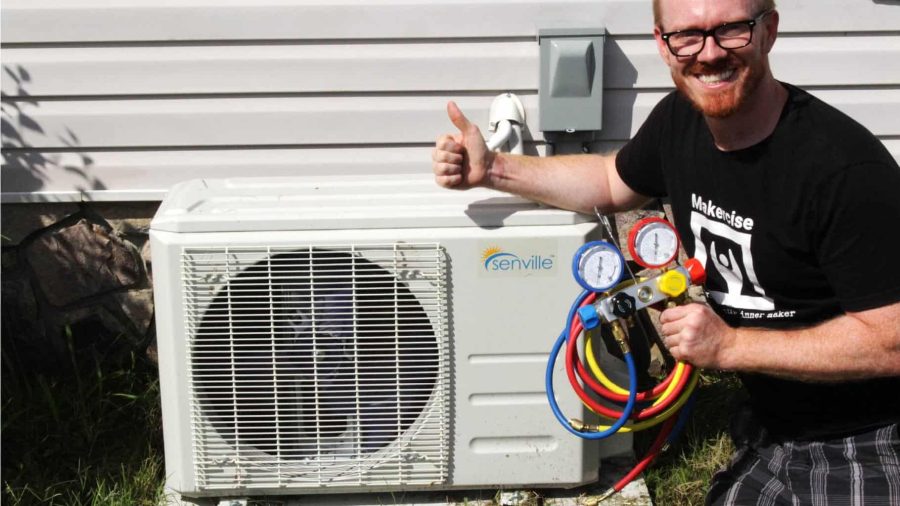
Mini split systems have gained popularity as an efficient and flexible option for heating and cooling residential and commercial spaces. These systems consist of two main components: an outdoor compressor unit and one or more indoor air-handling units. Unlike traditional central HVAC systems, mini splits do not require ductwork, making them particularly suitable for homes without existing ducts or for room additions where extending ductwork is impractical. One significant advantage is their energy efficiency. Because they operate on a zone-by-zone basis, users can control the temperature in individual rooms independently, reducing energy waste by avoiding the need to cool or heat unoccupied areas.
Installation of Mini Split systems tends to be less invasive compared to conventional ducted systems since only a small hole is needed to connect the indoor and outdoor units through refrigerant lines. This feature also allows for quicker installation times and lower labor costs in many cases. Additionally, mini splits are known for their quiet operation; both indoor units typically produce minimal noise levels, contributing to a comfortable environment without disruptive sounds common with window units or older HVAC models.
Another benefit lies in their versatility across various climates. Many modern mini splits provide both heating and cooling functions through heat pump technology, allowing year-round comfort even in regions with mild winters where traditional furnaces might not be necessary. The ability to add multiple indoor units connected to a single outdoor compressor offers customized climate control solutions tailored specifically to different parts of a building.
However, there are some drawbacks that potential users should consider before choosing this system. The upfront cost can be higher than other options such as window air conditioners or portable heaters due primarily to equipment expenses and professional installation requirements. While operational costs tend to be lower over time thanks to energy savings, initial investment may deter budget-conscious consumers.
Aesthetic concerns may arise because indoor units are mounted on walls or ceilings within living spaces; although designs have improved significantly over recent years with sleeker profiles available, some people still find them visually intrusive compared to hidden ductwork vents seen in central HVAC setups.
Maintenance demands include regular cleaning of filters inside each indoor unit along with periodic professional servicing of refrigerant lines and compressors outside the home. Neglecting these tasks could reduce system efficiency or lead to costly repairs down the line.
In summary, mini split systems offer excellent flexibility, energy efficiency benefits, quiet operation, and adaptability across different environments but come with considerations related to initial costs, visual impact inside rooms, and ongoing maintenance needs that buyers should weigh carefully before making a decision.