
Choosing the best roof for a house extension is a critical decision that impacts not only the aesthetic appeal of your home but also its functionality, durability, and energy efficiency. When planning an extension, it is essential to consider various factors such as architectural style, climate conditions, budget constraints, and material options to ensure that the new roof complements both the existing structure and your long-term needs.
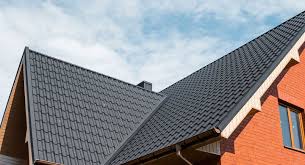
First and foremost, assessing the architectural style of your current home is vital. The roof design of the extension should harmonize with the original building to maintain visual coherence. For example, if your house features a traditional pitched roof with tiles, opting for a similar pitched design in the extension will create a seamless integration. Conversely, modern homes might benefit from flat or low-slope roofs that emphasize contemporary aesthetics. Matching or complementing colors and materials can further enhance this cohesion.
Climate plays a significant role in determining which roofing material and design are most suitable. In regions prone to heavy rainfall or snow, steeply pitched roofs facilitate efficient water runoff and reduce accumulation risks. Conversely, flat roofs may be more appropriate in arid climates where precipitation is minimal. Additionally, choosing materials with good insulation properties can help regulate indoor temperatures effectively-metal roofing reflects heat well in hot climates while asphalt shingles provide adequate insulation in colder areas.
Material selection involves balancing cost-effectiveness with durability and maintenance requirements. Common roofing materials include asphalt shingles, metal sheets, clay or concrete tiles, slate, and synthetic options like rubber membranes for flat roofs. Asphalt shingles are popular due to their affordability and ease of installation but may have shorter lifespans compared to metal or tile alternatives which offer greater longevity at higher upfront costs. Metal roofs are lightweight yet sturdy; they resist fire damage and require less maintenance over time.
Energy efficiency is another important consideration when choosing a roofing system for an extension project. Cool roofing materials designed to reflect solar radiation can lower cooling expenses during summer months by reducing heat absorption into living spaces beneath them. Incorporating ventilation systems within attic spaces also improves air circulation thereby preventing moisture buildup that could lead to mold growth or structural decay.
Finally, consulting with experienced architects or roofing contractors ensures informed decisions tailored specifically for your property’s unique characteristics. Professionals can assess load-bearing capacities required for different designs while advising on local building codes compliance as well as warranty offerings associated with various products.
In summary, selecting the best roof for house extension involves careful evaluation of architectural compatibility, environmental factors including weather patterns and thermal performance needs alongside practical considerations such as budget limitations plus preferred maintenance levels-ultimately resulting in an enhanced living environment that stands strong through seasons ahead while adding value aesthetically too.