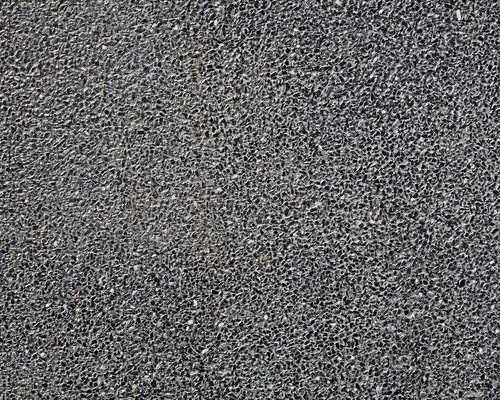

Maintaining good indoor air quality is essential for health, comfort, and overall well-being. A well-functioning HVAC system plays a crucial role in ensuring that the air inside your home or workplace remains clean and fresh. To achieve better indoor air quality through your HVAC system, regular maintenance and smart usage habits are key. One of the most important steps is to replace or clean air filters frequently. Filters trap dust, pollen, pet dander, and other airborne particles; when clogged, they reduce airflow and allow contaminants to circulate freely. Choosing high-efficiency particulate air (HEPA) filters or those with a higher MERV rating can significantly improve filtration effectiveness.
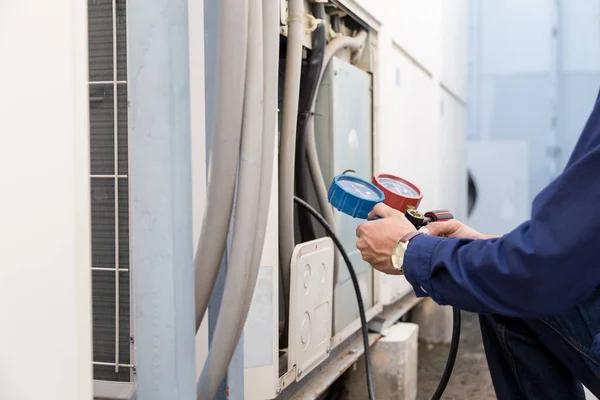
In addition to filter care, scheduling routine inspections by qualified HVAC professionals helps identify issues before they escalate. Technicians can check click for in-depth information leaks in ductwork that might introduce dust or mold spores into the ventilation system while also verifying that components such as fans and coils operate efficiently. Sealing any gaps in ducts prevents unfiltered external air from entering indoors, which is especially important in older buildings where wear and tear may have compromised sealing.
Humidity control is another critical factor influencing indoor air quality. Excess moisture encourages mold growth and dust mites, both of which contribute to respiratory problems and allergies. Modern HVAC systems often include humidifiers or dehumidifiers designed to maintain optimal humidity levels between 30% and 50%. Monitoring humidity regularly allows you to adjust settings accordingly or add supplemental devices if necessary.
Proper ventilation ensures a steady supply of fresh outdoor air while exhausting stale indoor air containing pollutants like carbon dioxide or volatile organic compounds (VOCs). Mechanical ventilation systems integrated into HVAC units help balance this exchange without causing energy loss typical of open windows during extreme weather conditions.
Cleaning various system components periodically enhances performance as well as hygiene standards within the unit itself. For example, evaporator coils accumulate dirt over time reducing cooling efficiency; professional cleaning restores functionality while preventing microbial growth on wet surfaces.
Using programmable thermostats optimizes operation times so your HVAC does not run unnecessarily long periods when spaces are unoccupied; this reduces wear on equipment but also limits recirculation of contaminants during low-use hours.
Finally, consider upgrading older systems with advanced technologies such as ultraviolet germicidal irradiation (UVGI) lamps installed inside ducts that neutralize bacteria and viruses passing through airflow paths.
By implementing these service tips focused on filter maintenance, duct sealing, humidity regulation, ventilation improvement, component cleaning, efficient operation scheduling, and technological upgrades you can significantly enhance indoor air quality through your HVAC solution while safeguarding health for all occupants consistently throughout the year.